
We do not and have never accepted fees for referring someone to a particular center. Providers who advertise with us must be verified by our Research Team and we clearly mark their status as advertisers. Discover how affirmations and self-love can support mental health and recovery. Learn simple steps to shift your mindset and nurture your well-being. Here’s how to know when you need medical help for alcohol detox, plus tips to make sure you’re detoxing as safely and effectively as possible. Make your bedroom dark, cool, and quiet for optimal sleep conditions.
- Alcohol withdrawal produces a range of uncomfortable symptoms, including irritability, nausea, anxiety, tremors, and insomnia.
- In one study, REM sleep architecture demonstrated a reversal during early recovery, with the first REM sleep episode of the night being the longest, despite a lack of depressive disorder in these subjects.
- If you think your drinking may be impeding your sleep or overall quality of life, speaking to your doctor or therapist is a great first step.
- Alcohol might seem like a handy sleep aid, initially helping you doze off, but it’s a double-edged sword when it comes to quality rest.
Medication Assisted Treatment
So it reduces muscle tone in the nose and the upper airway in the throat, and that leads to the airway being more readily collapsible. And every time the airway collapses to a certain degree, we may consider that in the sleep laboratory an apnea episode. And so alcohol will make the airway more collapsible, make snoring louder, make apnea events potentially longer, and may even impair someone’s ability to arouse after an apnea event.

The Correlation Between Cyberbullying & Addiction
If you suffer from insomnia or any other symptoms because you stopped drinking, help is out there. Being a sedative and depressant of the central nervous system, alcohol can increase feelings of tiredness and sluggishness. One of the side effects of alcohol is drowsiness, so it can make you fall asleep quickly. Alcohol can have a sedative or stimulant effect depending on the dose and the time between drinking and bedtime.
How Long Does Alcohol Influence Rest?
They created a control group and provided other groups with a specific amount of alcohol every night. Among the groups that consumed higher amounts, they experienced more rapid eye movements at night and were prone to insomnia. Withdrawal from alcoholic drug addiction insomnia happens when regular drinkers abruptly stop, and they may experience rebound insomnia. This happens on the grounds that the body has become acclimated to the soothing impacts of alcohol.
Alcohol Alters Circadian Rhythm
The good news is that these sleep disruptions are temporary, and any insomnia you experience will likely resolve as you persevere through recovery. You may experience your most severe sleep disturbances in the first week, but most people find that it eases up with time. It might come does alcohol cause insomnia as a surprise, but having a few drinks before bed can increase sleep disruptions throughout the night. This is why alcohol and sleep problems (such as insomnia) go hand-in-hand. In fact, in one study on older adults those who binge drank frequently were 84 percent more likely to report insomnia symptoms than those who didn’t. Further, alcohol acts as a diuretic—meaning it makes you need to pee.
- One particular problem is insomnia after quitting drinking, including insomnia, and this can drastically impair physical and psychological well-being.
- Ultimately it can make some people more vulnerable to sleep apnea or exacerbate the symptoms for those who already have it.
- But the truth is, alcohol’s alleged “sleep-enhancing” benefits may not be all they’re cracked up to be.
- When consumed before bedtime, alcohol can increase your risk of experiencing insomnia and its related symptoms.
Want more information on how to improve your sleep? Read these posts:
Evidence suggests that consuming alcohol may decrease the body’s sensitivity to cues, like daylight and darkness, which trigger shifts in body temperature and secretion of the sleep hormone melatonin. These fluctuations play a vital role in the sleep-wake cycle, and when they are weakened—or absent—a person may feel alert when they want to sleep and sleepy when they want to be awake. The typical sleep cycle begins with three non-rapid eye movement (NREM) stages of sleep and ends with rapid eye movement (REM). During sleep, the body cycles through all of these stages every 90 to 120 minutes, with NREM sleep dominating the first part of the night and REM increasing during the second part of the night. Each stage is necessary for sleep to feel refreshing and for vital processes like learning and memory consolidation to occur. Studies show that mindful breathing exercises can significantly improve sleep quality and duration.

Health Essentials Episodes
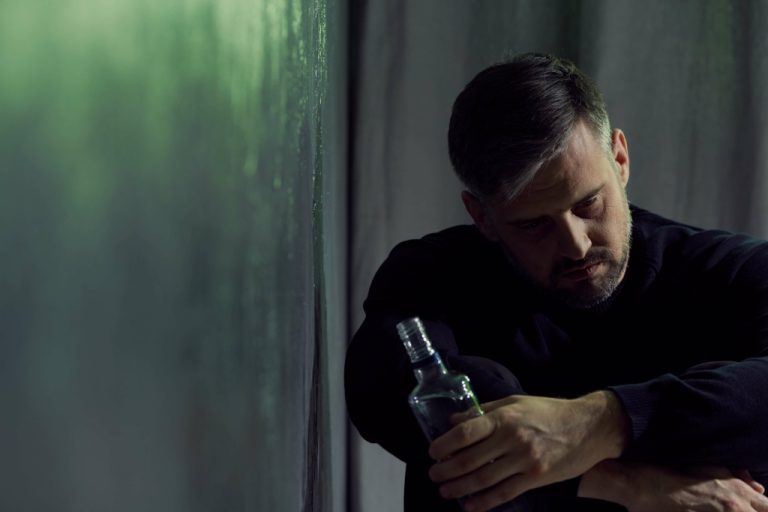
Seizures cause your whole body to shake and are often uncontrollable. Hallucinations cause you to see and hear people and things that aren’t there. The situation starts to get interesting as we understand that these impacts aren’t restricted to only the evening of guilty pleasure.
While adenosine may help you get to sleep more quickly, artificially elevated levels of adenosine can disrupt the quality of your sleep while alcohol is in your system. Our insomnia treatment program has helped over 2,000 users beat their insomnia & sleep better. Unfortunately for people who are alcohol dependent sleep changes can persist even after long periods of abstinence. Here is a great article if you want to read more about alcohol and sleep.